
Poland at a glance
2026 snapshot (Figures rounded; for high level context only)
- Population: ~39 million, highly urbanised, with around 60% living in cities such as Warsaw, Krakow, Wroclaw, Poznan, and Gdansk.
- GDP: ~$1.1 trillion, EU’s sixth largest economy, with per capita growth placing Poland on track to rival the UK in purchasing power by the mid 2030s.
- Currency: Polish Zloty (PLN). Poland continues to debate Euro adoption, with the majority of citizens preferring the Zloty due to national monetary control.
- Internet penetration: ~92%, mobile-first. Broadband is widely available in cities, but speeds and reliability vary in smaller towns.
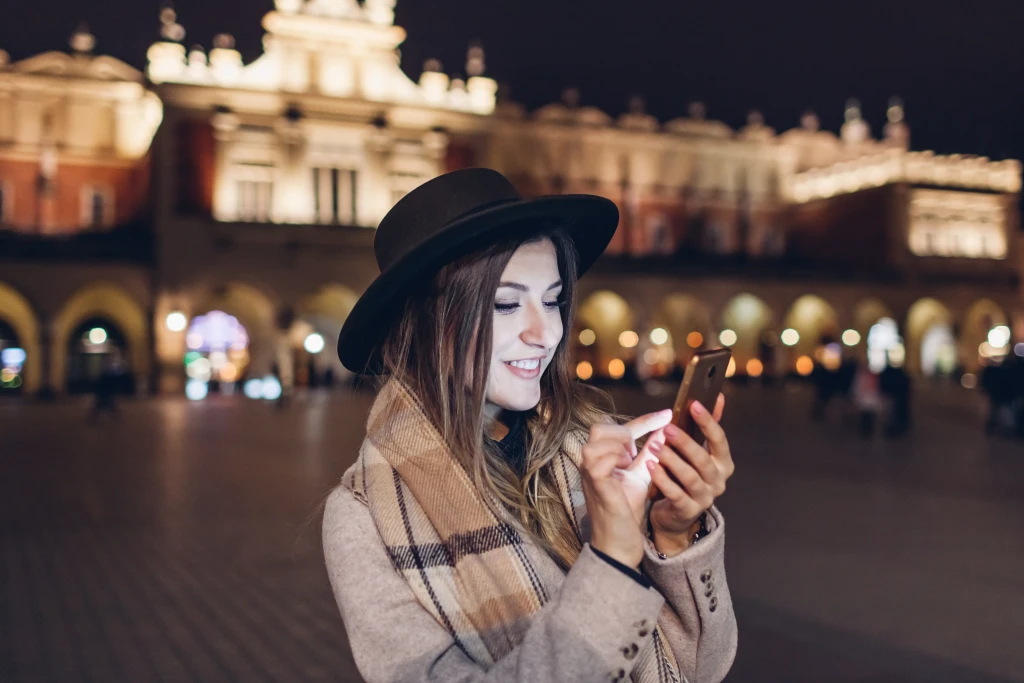
- Smartphone penetration: ~88% of adults, shaping social media, mobile commerce, and app-first experiences.
- Top search engine: Google ~97% share. SEO and local search visibility are key, particularly on mobile.
- Top social platforms: Facebook, Instagram, TikTok, YouTube, LinkedIn. Messaging apps such as Messenger and WhatsApp are widely used for commerce and customer support.
- E-commerce penetration: ~65% of internet users, growing fast. Allegro dominates domestic marketplaces, with Amazon, eBay, and Zalando catering to cross-border shopping.
- Payment preferences: BLIK (mobile instant payments), cards, PayPal, and cash-on-delivery for certain demographics. Consumers are accustomed to multiple options and expect frictionless checkout.
- UK-Poland links: Around 700,000 Poles live in the UK, while trade, investment, and cultural ties continue to grow. These links influence cross-border e-commerce, brand awareness, and migration-driven marketing channels.
Poland is a market on the rise, dynamic, connected, and increasingly influential in Europe. Over the past two decades, the country has transformed from a transitional EU economy into a regional powerhouse. Its economy, infrastructure, and digital landscape have matured rapidly, while its role in security and regional politics has grown. For UK brands, Poland offers both scale and sophistication, alongside strong cultural and commercial links to the UK through migration, trade, and shared business networks.
For marketers, Poland is not simply another European market. Audiences are digitally fluent, mobile-first, and value transparency and reliability. Expectations are high, and trust travels quickly but can be lost just as fast. What works in Warsaw might not work the same way in Wroclaw, Gdansk, or the industrial cities in the south. Poland is shaped as much by its mid-sized cities and small towns as by its big metropolitan areas. Differences in how people behave online, what they trust, and which platforms they use mean strategies need a local touch and careful insight.
Why Poland matters
Poland is no longer just a fast-growing economy. Its location, NATO membership, and steady investment in defence make it a stable and increasingly influential European power. That confidence is reflected in the economy too. Poland has moved beyond low-cost manufacturing to become a high-growth, knowledge-driven market, with cities like Warsaw, Krakow, and Wroclaw attracting tech, finance, and creative industries.
Consumer behaviour reflects this shift. Digital adoption is high, expectations are sophisticated, and trust is earned through clarity, reliability, and consistency. Mobile-first engagement dominates, and e-commerce is fast, flexible, and closely tied to apps, marketplaces, and delivery networks. Local players such as Allegro, Żabka, and Biedronka continue to innovate around speed and convenience, especially in quick commerce.
For UK brands, Poland offers scale, digital maturity, and cultural familiarity. Success depends on understanding local platforms, city-level differences, and a consumer base that blends European digital habits with strong national identity. Polish consumers are pragmatic and cautious, especially with higher-value purchases. They expect clear reasons to trust a brand and often compare options before deciding.
Search, paid media, and user experience
Google dominates search in Poland, but discovery is highly pragmatic. Users are task-focused, price-conscious, and quick to compare options across search results, marketplaces, and review sites. Local SEO matters not just for visibility, but for credibility. Star ratings, delivery times, and clear business details strongly influence clicks, especially outside major cities.
Paid search works well, but generic pan-European messaging often falls flat. Polish users respond to concrete value cues, such as transparent pricing, fast delivery, returns policies, and local availability. Mobile usage is high, but higher-value or considered purchases often finish on desktop. Campaigns should reflect this cross-device behaviour rather than assuming mobile equals low intent.
User experience is closely tied to trust in Poland. Consumers do not like uncertainty and prefer things that are clear, predictable, and straightforward. Complicated websites, hidden fees, or confusing checkout steps can quietly stop them from buying. Local platforms like Allegro have set expectations for clear pricing, fast delivery, and reliable service. Brands that appear organised and professional inspire confidence, while those that seem messy or secretive do not.
This preference for structure extends across offers, guarantees, and terms:
- Vague or overstated claims undermine trust, even if legally compliant.
- Careful formatting, consistent pricing in PLN, and a smooth UX signal reliability.
- Minor errors, typos, or messy layouts can quickly erode credibility.
Social, creator, and commerce dynamics
Polish consumers are socially engaged but sceptical of overt persuasion. Influence is earned through familiarity, usefulness, and repeated exposure rather than hype. Recommendations from friends, niche creators, and trusted local voices often outweigh traditional advertising, especially outside major cities.

“Polish audiences are especially wary of influencers who push too many products. They respond best to creators who stick to their niche and aren’t afraid to say, ‘this isn’t worth it.’ That kind of honesty earns far more trust than constant cheerfulness.”
– Katarzyna, Polish LIME
Social commerce is growing, but in a distinctly Polish way:
- Discovery: TikTok and YouTube are key for spotting trends and products. TikTok culture skews practical and entertaining, with explainers, price comparisons, and ‘is it worth it?’ content. Local creators often outperform international influencers, even on a smaller scale.
- Validation: Instagram is used for inspiration but arguably more to check credibility. Stories, Reels, and DMs help users confirm details before buying. Brands that respond quickly in DMs convert better than those directing users to generic landing pages.
- Considered purchases: YouTube remains important for long-form reviews in tech, home, automotive, beauty, and fashion. Independent creators influence final decisions as much as price or promotions.
- Reassurance: Messaging platforms, especially Messenger, are central for clarifying delivery, returns, and payments, reflecting a preference for certainty over impulse buying.
Long-term partnerships with creators outperform one-off campaigns. Polish audiences value continuity, expertise, and local relevance. Creators who repeatedly show how a product fits into everyday life and acknowledge trade-offs earn trust more than polished but generic endorsements.
Payments, logistics, and friction
Poland’s e-commerce is advanced but unforgiving. Consumers expect choice, speed, and certainty, and will abandon purchases quickly if any of these are missing. This comes from rapid digital adoption combined with long-standing caution around risk and value. Payments and delivery are primary trust signals.
“Polish consumers are used to Allegro and InPost – they expect instant BLIK payments, real-time tracking, and locker pickups as standard. If your checkout doesn’t offer these, it immediately signals that you’re not truly local.”
– Katarzyna, Polish LIME
Payments:
- BLIK is the default mobile payment for everyday transactions. Embedded in banking apps, it is trusted for speed and control, as users actively approve each transaction. For international brands, not offering BLIK can signal a lack of local understanding.
- Card payments and PayPal are widely used, especially for cross-border or high-value purchases where protections matter.
- Cash-on-delivery still plays a role in some smaller towns and among some older consumers, reflecting a pragmatic mindset: payment follows proof of delivery.
Logistics:
- InPost parcel lockers have normalised out-of-home collection, making flexible pickup, precise tracking, and predictable delivery windows essential. Missed deliveries or vague timelines quickly erode trust.
- Rapid fulfilment in cities has become standard. Dark stores (which are small urban fulfilment centres stocked for immediate delivery), along with convenience-led players like Żabka, Lisek, and Jokr, have trained consumers to expect near-instant availability for everyday needs, raising expectations across categories from fashion to electronics.
The common thread is friction intolerance. Checkout, payment, and delivery are experienced as one seamless promise. Brands that integrate local payment methods, offer clear delivery options, and provide reliable tracking are seen as competent and trustworthy. Those that don’t feel risky.
Polish language and localisation considerations
English is widely understood, but digital marketing in Poland requires Polish-language marketing for credibility and engagement. Avoid literal translations – work with native copywriters who understand idioms, humour, tone, and cultural nuance. Polish websites must:
- Use the correct form of address (‘ty’ informal vs. ‘Pan/Pani’ formal) depending on context. Avoid gender-exclusive phrasing unless brand-specific.
- Polish text expands by around 20% compared with English due to grammar and word structure. UX/UI should allow for this to avoid broken layouts, reduced clarity, or lost credibility.
“Many international brands don’t realise that Polish has seven grammatical cases – a word like ‘shop’ changes form depending on whether you’re ‘in the shop,’ ‘to the shop,’ or ‘from the shop.’ Get these wrong in your CTA buttons and Polish users immediately notice it feels off, even if they can’t explain why.”
– Katarzyna, Polish LIME
- Follow local conventions for pluralisation, date formats (DD.MM.YYYY), thousands separators, and punctuation. Small errors here can undermine trust.
- Avoid mixing British English conventions into Polish copy – Anglicisms should feel natural, not forced. Test your tone carefully, as Polish consumers can tell when copy feels “translated” rather than written natively. It’s always best to consult Local In-Market Experts to get it right.
Polish is highly inflected, with seven grammatical cases, gendered nouns and adjectives, and formal vs informal forms of address. Testing translated UI, copy, and mobile apps in-product – not just in isolation – is essential. Layouts, buttons, CTAs, and strings must all be checked to ensure clarity, consistency, and credibility.
E-commerce and compliance: What marketers should know
There are key operational and compliance points to be aware of when running digital marketing in Poland or e-commerce campaigns. These include:
- Website localisation: Polish-language sites are expected for B2C audiences. Buttons, product descriptions, policies, and checkout flows should be fully localised for both usability and credibility.
- Marketing communications: Opt-in consent is required for emails, SMS, and push notifications. Ensure consent is collected correctly and communications suit local expectations.
- Promotions & influencer activity: Price promotions and sponsored posts must be clearly labelled. Transparency in influencer campaigns is essential for maintaining trust.
- Customer reviews & UX signals: Reviews should be authentic and reflect real experiences. Avoid designs or messages that could confuse users (so-called ‘dark patterns’), like misleading countdowns or pre-selected options.
- Returns & post-sale experience: Polish consumers expect clear information on returns and cancellations, including the standard 14-day cooling-off period for distance sales under EU law. Complaint procedures (reklamacja) should also be transparent. Being clear in these areas helps build trust.
- Invoices (faktury): Polish consumers often request VAT invoices, even for B2C purchases. Make sure your checkout allows this and that invoices can be generated quickly, accurately, and with the correct Polish tax details (NIP numbers).
- Regulatory trends: Environmental claims and sustainability messaging must be accurate and transparent. Stay up to date with EU and Polish regulations that could affect product marketing.
Takeaway:
You don’t need to be a legal expert, but awareness of these areas is crucial. Work with local experts and/or legal advisors to ensure campaigns and e-commerce operations are compliant while delivering a smooth, trustworthy customer experience.
Common mistakes UK brands make in Poland
- Flattening Poland into a single market: Treating Warsaw like the rest of the country leads to mispriced media and missed expectations. Platform usage, delivery preferences, and price sensitivity differ between major cities and mid-sized towns, yet many campaigns are planned as if reach equals relevance.
- Relying on English or ‘neutral’ localisation: Polish consumers expect clear, native-language communication. Literal translations, awkward tone, or English-first UX are read as distance or lack of commitment, particularly at checkout and in customer service.
- Ignoring Polish language complexities: Failure to account for grammatical cases, pluralisation, gendered terms, formal vs informal address, and text expansion can reduce clarity and break UI, especially on mobile.
- Underestimating how unforgiving mobile users are: Mobile is the primary discovery channel, but heavy pages, slow load times, and multi-step checkout flows quickly erode trust. Users often abandon rather than struggle, then complete the purchase elsewhere.
- Treating messaging as a support channel, not a conversion tool: Messaging apps such are WhatsApp are widely used to confirm delivery timing, returns, or payment options before purchase. Brands that redirect users to FAQs or email lose momentum and credibility.
- Shipping to Poland without feeling ‘local’: Missing BLIK, limited delivery options (especially InPost lockers), or vague tracking signals that the brand is operating at arm’s length. In a market shaped by Allegro and InPost, anything less than clear, predictable fulfilment feels risky.
- Not accounting for Polish price comparison culture: Polish consumers routinely use price comparison sites (porównywarki cen) and track price history. Artificial discounts or inflated ‘original’ prices are quickly spotted and damage trust faster than in less price-transparent markets.
Key dates and seasonality
Seasonality in Poland is driven by pragmatism rather than retail spectacle. Consumers plan carefully, compare prices early, and expect delivery certainty before committing. Key periods to note include:
Christmas and New Year
Christmas and New Year remain the dominant commercial period, especially for electronics, small appliances, toys, and fashion. Research and price comparison start in November, with purchases clustering close to delivery cut-offs. Mobile leads discovery, but desktop still matters for higher-value items. Clear delivery dates and InPost locker availability are decisive in the final weeks.
Black Friday and Cyber Monday
Black Friday and Cyber Monday generate volume, but there can be some scepticism. Polish consumers are alert to artificial discounts and routinely check price history via comparison tools and deal forums. Campaigns that emphasise genuine savings, bundles, or guaranteed fulfilment outperform headline percentage cuts.
Public holidays
Public holidays, including Constitution Day on 3rd May, are better suited to visibility than conversion. Subtle, context-aware messaging performs better than overt symbolism, particularly around travel, time off, and seasonal change.
Sport related
Sport-driven spikes are selective. Football drives attention during major tournaments, while volleyball commands unusually strong engagement during international competitions. These moments lift social reach and relevance more than immediate sales.
Across all periods, urban consumers move quickly, while audiences in smaller cities and towns place greater weight on reassurance through UX, delivery clarity, and familiar payment options. A free tool like Oban’s Global Marketing Calendar can help you plan campaigns across borders.
Tips for digital marketing success in Poland
Segment from the start
- Warsaw isn’t representative of the whole country. Big cities move fast and value efficiency; mid-sized cities and regional audiences take longer and need clearer reassurance, especially on delivery and payments.
Localisation is about sounding right, not just being correct
- Polish users notice translated copy instantly. Plain, direct language usually works better than brand-heavy tone, particularly at checkout and in support content. Use expert-reviewed localisation from day one and test copy in-product, in the app, and on the website to check formatting, UI fit, and functional CTAs.
Mobile-first, but functionality comes first
- Most journeys start on mobile. Heavy pages, slow loading, or fancy UX often cost conversions more than they add value.
Use messaging apps to close uncertainty
- Messaging apps such as WhatsApp and Messengers are where users often ask ‘one more thing’ before buying. Brands that reply clearly and quickly win trust; those who redirect elsewhere usually lose the sale.
Creator partnerships should be ongoing
- Repeated, low-drama collaborations with credible local creators outperform one-off influencer spikes. Familiarity matters more than reach.
Treat trust signals as part of the product
- Reviews, delivery options, payment methods, and tracking aren’t extras. If they’re missing or unclear, consumers assume the risk and move on.
Respect cultural and patriotic nuances
- Align campaigns with local holidays, calendars, and values authentically. Shallow or opportunistic gestures can erode trust.
Ready to grow your business in Poland?
Poland rewards informed, carefully executed marketing. Campaigns that follow best practices for digital marketing in Poland – respecting the local language, infrastructure, and consumer habits – tap into a young, digitally savvy population. Missteps, however, can quietly undermine performance. For guidance on navigating the Polish market, get in touch.