
Oban recently attended the Walpole Luxury Summit, where industry leaders like Patrick Chalhoub shared fresh insights on the Gulf Cooperation Council (GCC) luxury market. The GCC is made up of six countries — Saudi Arabia, UAE, Qatar, Kuwait, Bahrain, and Oman — and it’s one of the most exciting regions globally for luxury brands, thanks to high spending power and a young, digitally savvy audience.
If your brand sells luxury goods or services across borders, this is a region you don’t want to overlook. Based on what we learned at the summit, here’s what’s driving luxury in the GCC right now — and, more importantly, what you can do about it.
1. From ‘revenge buying’ to thoughtful spending
Post-Covid, the GCC luxury market boomed thanks to what was termed ‘revenge buying’ — lots of shoppers rushing to make up for lost time. Dubai was a hotspot, pulling in visitors from all over.
But that spree is slowing. People are more careful with their cash, spreading it across experiences like travel and wellness as well as products. This doesn’t feel like a temporary slowdown but more a sign that the market has matured. Consumers now seek meaning and personalised experiences, not just products.
What to do about it:
- Swap flash for substance. Prioritise storytelling that taps into meaning, craftsmanship, and lifestyle — not just logos and price tags.
- Target ‘experience-first’ search behaviour. Think SEO strategies around lifestyle queries: “luxury spa weekends Riyadh” or “what to wear for Eid in Dubai.”
- Invest in content marketing. Don’t just showcase products but give people something to connect with. Personal stories, behind-the-scenes details, values.
- Use paid campaigns to highlight added value. Wellness, exclusivity, or heritage — tell shoppers why it’s worth it.
- Tap into local insight. Local In-Market Experts can guide you on what messaging resonates in which market — because ‘luxury’ doesn’t mean the same thing everywhere.
2. Meet the new luxury customer: Young, wealthy, informed
Today’s GCC luxury shopper is globally educated, digitally fluent, and looking for more than just a logo. They expect brands to deliver on purpose, transparency, creativity, and emotional value — and they’re not afraid to walk away if those things are missing. Style matters, but so does substance.
They favour originality, with a strong preference for story-driven design that reflects meaning, not just aesthetics. Sustainability needs to be genuine — greenwashing won’t pass muster. They expect a clear value exchange: price should reflect quality. And increasingly, emotional connection matters more than brand prestige.
With around 50% of the GCC population under the age of 30, this young demographic is a major force in shaping luxury trends. Their digital fluency and global exposure mean they engage with brands that reflect their values and speak their language.
What to do about it:
- Ditch the fluff. Drop tired clichés and focus on originality and meaning.
- Segment like you mean it. Use first-party data to serve creative that matches your customer’s mindset and lifestyle.
- Personalise your comms. Email, ads, web experiences — no more one-message-fits-all.
- Optimise UX with their standards in mind. If your site feels clunky or dated, they’ll bounce.
- Work with local experts. They’ll help you avoid bland or tone-deaf messaging.
3. Phygital: Blurring digital and physical shopping
GCC shoppers no longer see a divide between online and offline. They might browse online but expect personal service in-store — and vice versa. This so-called ‘phygital’ approach is the new norm. Brands need to use digital tools in-store to recognise returning customers and bring warmth and a personal touch online, with things like WhatsApp concierge services and tailored recommendations.
What to do about it:
- Bridge your online and offline touchpoints. If someone books a private store appointment online, make sure your sales team is ready with context.
- Add warmth to your digital presence. Think live chat with real humans, WhatsApp consultations, or personalised product guides.
- Let data flow freely. Connect your CRM, ad campaigns, and store teams so you can recognise a returning customer wherever they show up.
- Design for seamlessness. Audit the user journey end to end — are there any digital drop-offs or clunky transitions?
4. Cultural awareness is non-negotiable
In the GCC, as elsewhere, cultural nuance can make or break your brand. From modest fashion to the significance of gifting, and from Ramadan campaigns to how you communicate product value — details matter. Surface-level localisation won’t cut it.
Take the UAE, for example, where over 85% of the population is expatriate. It’s a multicultural hub, and messaging that works in one context might misfire in another. Understanding these layers of nuance is essential for luxury brands trying to connect with diverse audiences.
What to do about it:
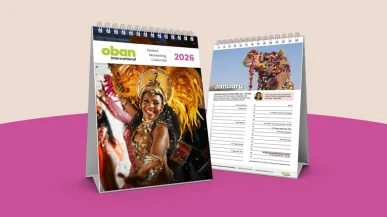
- Plan campaigns around the cultural calendar. Not just the obvious holidays — dig deeper into local moments that matter. A free resource like Oban’s Global Marketing Calendar can help.
- Use local language, local tone. That means adapting content to reflect dialects, idioms, and cultural references — not just translating.
- Tailor product storytelling. Don’t just sell a fragrance — explain how to layer it for a night out during Eid.
- Respect modesty and values. You can be fashion-forward without crossing cultural boundaries.
5. Beyond Dubai: A region on the move
Yes, Dubai dominates headlines (and social media feeds), but the real growth is regional. Abu Dhabi and Riyadh are stepping into the luxury spotlight — with infrastructure investments, influencer scenes, and more openness to international brands. Bahrain is emerging as a significant market for luxury brands, with the opening of its first Chanel store in March 2024 and the development of the Marassi Galleria mall hosting brands like Dior, Louis Vuitton, Gucci, and Hermès.
What to do about it:
- Think beyond Dubai. The rest of the GCC is heating up too.
- Don’t treat the GCC as a monolith. In Europe, you wouldn’t roll out the same campaign in Berlin and Barcelona — apply the same logic here.
- Adapt your SEO strategy. Target rising luxury hotspots with local keywords and intent.
- Use flexible media plans. Platforms, languages, and behaviour differ between markets — your campaigns should too.
- Spot emerging influencers. Work with voices who resonate locally, not just whoever has the biggest following.
. . .
The bottom line: Listen, localise, and build relationships
The GCC luxury consumer is young, globally minded, digitally savvy, and values authenticity and meaning. They won’t be won over by logos alone. If you want to succeed here, you need to listen closely, use local knowledge, and build connections across digital and physical channels. If you want to get your luxury brand working in the GCC, get in touch. We’ll help you stop guessing and start growing.
Let’s accelerate action together
At Oban, we believe change happens when we act, support each other, and keep moving forward. These stories show how small steps can make a big difference. If you want to improve your digital marketing, get in touch. Let’s get started.